
Carer Resource Library
Welcome to the Walsall Virtual School Carer Resource Library.
We know that caring for children and young people can be both incredibly rewarding and, at times, challenging. Our Carer Resource Library has been created to provide you with easy access to high-quality books and resources that can help you better understand the children in your care and support them to thrive.
The library includes a wide range of books covering topics such as attachment, trauma, child development, therapeutic parenting, emotional wellbeing, education, neurodiversity, behaviour, relationships and preparing young people for adulthood. Whether you are looking for practical strategies, professional guidance or simply reassurance that you're not alone, we hope you'll find something that meets your needs.
You can borrow resources at a time that suits you and explore new titles as we continue to grow the collection throughout the year. Our aim is to make evidence-informed guidance accessible to every carer, helping you build confidence, strengthen relationships and support positive outcomes for the children and young people you care for.
Parenting Matters: Parenting a Child with Developmental Delay
Pamela Bartram, Sue Clifford and Jim Clifford
What is this book about?
Children who are looked after or adopted are more likely to experience developmental delay as a result of early trauma, neglect or other adverse childhood experiences. This book explains what developmental delay is, how it may affect a child's learning, communication, physical development, emotional wellbeing and relationships, and what this means in everyday family life.
Written in an easy-to-read style, the first part of the book provides expert guidance on understanding developmental delay, diagnosis, assessment, treatment and sources of support. The second part shares the real-life experiences of an adoptive parent, providing practical insight into the rewards and challenges of parenting a child with developmental delay.
What will you learn?
- What developmental delay is and the reasons why it may occur.
• How trauma and early childhood experiences can influence development.
• The signs of developmental delay across different areas of development.
• How developmental delay can affect learning, behaviour and everyday life.
• Practical strategies to support children at home and work effectively with schools and other professionals.
• Where to access further help and support for children and families.
Why we recommend it
Understanding a child's developmental stage is essential when caring for children who have experienced trauma. This book helps carers look beyond a child's chronological age and recognise the developmental needs that may sit underneath their behaviour. It combines expert advice with a real family's experiences, making it both informative and relatable. We recommend this book for carers who want to build their confidence, deepen their understanding and provide nurturing, developmentally appropriate support that helps children thrive.
Parenting Matters: Parenting a Child with Difficulties in Learning Caused by Trauma
Anne Hurley with Kathleen Grace
What is this book about?
Many children in care struggle with learning, not because they lack ability, but because trauma has affected how their brain develops and processes information. This book explains how early experiences of abuse, neglect and disrupted attachments can impact a child's ability to concentrate, remember, regulate emotions, solve problems and build relationships.
Written specifically for foster carers and adopters, the book combines expert clinical knowledge with the real-life experiences of an adoptive parent, helping carers understand why learning can be so challenging for some children and what they can do to help them succeed.
What will you learn?
- How trauma can affect brain development and a child's ability to learn.
• Why children may struggle with attention, memory, communication and emotional regulation.
• The important role of play, relationships and felt safety in supporting learning.
• Practical strategies to help children build confidence, resilience and readiness to learn.
• How to work effectively with schools and professionals to ensure children receive the right support.
Why we recommend it
Understanding the link between trauma and learning is essential for anyone caring for children who have experienced early adversity. This book helps carers move beyond seeing a child as "not trying" or "not coping" and instead understand the barriers that trauma can create. It offers practical, compassionate advice that can make a real difference to a child's education, confidence and long-term outcomes. We particularly recommend this book for carers supporting children who appear bright but struggle to engage, retain information or reach their potential in school.
Parenting Matters: Parenting a Child with Emotional and Behavioural Difficulties
Dan Hughes
What is this book about?
Many children in care display behaviours that can be challenging to understand. This book explores how early experiences of abuse, neglect, loss and trauma can affect a child's emotions and behaviour. Rather than focusing solely on managing behaviour, it helps carers understand what may be driving a child's responses and how they can provide the safety, consistency and nurture needed to support recovery.
The book combines expert guidance with the real-life experiences of foster carers and adoptive parents, making it both informative and relatable. It explains emotional and behavioural difficulties in clear, practical language and offers realistic advice for everyday family life.
What will you learn?
- Why children who have experienced trauma may display challenging behaviours.
• How emotional and behavioural difficulties can affect children at different stages of development.
• Practical, therapeutic approaches to responding to behaviour with empathy and understanding.
• How to build trusting relationships that help children feel safe and secure.
• Ways to work effectively with schools and other professionals to ensure children receive the right support.
Why we recommend it
Behaviour is often a form of communication, particularly for children who have experienced early trauma. This book encourages carers to look beyond the behaviour and consider the underlying emotional needs of the child. Written by Dan Hughes, a leading expert in attachment and trauma, it provides practical strategies that promote connection rather than confrontation. We recommend this book for carers who want to better understand challenging behaviour and build stronger, more secure relationships with the children in their care.
Attachment, Trauma and Resilience - Theraputic Caring for Children
What is this book about?
This highly regarded book explores how early experiences of trauma, abuse, neglect and loss affect children's brain development, relationships and behaviour. Drawing on both professional expertise and over 25 years of fostering experience, Kate and Brian Cairns explain how therapeutic parenting can help children recover from early adversity and build resilience.
The book combines research on attachment and trauma with real-life examples, showing how carers can respond to challenging behaviour in ways that promote healing rather than simply managing behaviour. It provides a balanced mix of theory and practical advice, making it accessible for both new and experienced carers.
What will you learn?
- How attachment relationships shape a child's emotional and social development.
• The impact of trauma on brain development, behaviour and emotional regulation.
• Why children who have experienced trauma may respond differently to everyday situations.
• Practical therapeutic parenting strategies that help children feel safe, secure and understood.
• How to build resilience and support children to recover from early adversity.
• Ways to respond to challenging behaviour with empathy, consistency and connection.
Why we recommend it
This is one of the most influential books on therapeutic parenting and is widely recommended for anyone caring for children who have experienced trauma. It helps carers understand the reasons behind a child's behaviour and provides practical strategies that strengthen relationships, promote emotional healing and build resilience. Whether you are new to fostering or have years of experience, this book offers valuable insight that can transform the way you understand and support children in your care.
Looked After Children and Offending: Reducing Risk and Promoting Resilience
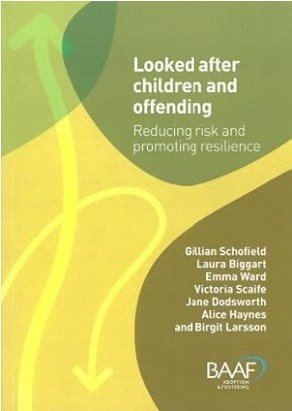
Gillian Schofield, Laura Biggart, Emma Ward, Victoria Scaife, Jane Dodsworth, Alice Haynes and Birgit Larsson
What is this book about?
Children in care are significantly more likely to become involved with the youth justice system than their peers, but offending is not an inevitable outcome. This research-based book explores why some looked after children become involved in offending while others develop resilience and positive life pathways.
Drawing on extensive research and the experiences of young people, the authors examine the factors that increase the risk of offending, as well as the protective factors that help children build resilience. The book also explores how the care system, education, relationships and professional practice can either reduce or unintentionally increase the likelihood of offending. It offers practical recommendations for improving outcomes and supporting children to make positive choices.
What will you learn?
- Why children in care are at greater risk of offending than their peers.
• The protective factors that help children develop resilience and avoid involvement in crime.
• How positive relationships with carers, schools and professionals can reduce risk.
• The impact of trauma, instability and criminalisation on children's behaviour.
• Practical approaches that promote positive behaviour, strengthen resilience and improve long-term outcomes.
• How professionals can work together to support vulnerable young people more effectively.
Why we recommend it
This book provides an important insight into the links between care experience, trauma and offending. Rather than viewing offending simply as poor behaviour, it encourages carers to understand the wider experiences and unmet needs that may contribute to a child's actions. The focus on resilience and protective relationships makes this a valuable resource for foster carers who want to help children build confidence, develop positive identities and achieve better life outcomes. It reinforces the message that stable, nurturing relationships and high aspirations can make a significant difference to a young person's future.
The Foster Carer's Handbook on Education: Getting the Best for Your Child
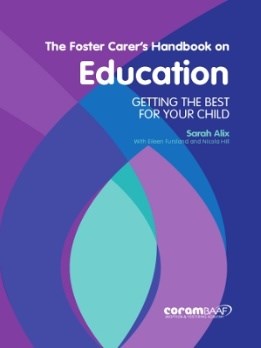
Sarah Aliix (with Eileen Furlong and Nicola Hill)
What is this book about?
Education can play a life-changing role in the lives of children in care, but navigating the education system can often feel overwhelming. This handbook has been written specifically for foster carers to help them understand how schools work, what support children are entitled to, and how they can play an active role in helping children achieve their potential.
The book explains key areas such as school admissions, Personal Education Plans (PEPs), Special Educational Needs and Disabilities (SEND), exclusions, transitions and working with schools. It provides practical advice to help carers become confident advocates for the children they care for and understand the responsibilities of everyone involved in supporting a child's education.
What will you learn?
- The role of foster carers in supporting a child's education.
• How the education system works for looked after children.
• What a Personal Education Plan (PEP) is and how to contribute effectively.
• The support available for children with SEND and other additional needs.
• How to work positively with schools, social workers and the Virtual School.
• Practical ways to encourage learning, build confidence and promote good attendance.
• What to do if concerns arise about a child's education or school placement.
Why we recommend it
Education is one of the strongest protective factors for children in care, and foster carers play a vital role in helping children succeed. This handbook is an excellent introduction to the education system and provides practical guidance that carers can use throughout a child's educational journey. Whether caring for a child in Early Years or Post-16, it helps carers understand their role, work effectively with professionals and ensure children receive the support they need to achieve their best possible outcomes.
This is an essential resource for both new and experienced foster carers and complements the support provided by the Walsall Virtual School.
The Adopter's Handbook on Education: Getting the Best for Your Child
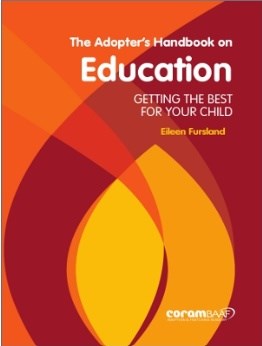
Eileen Fursland
What is this book about?
Starting school, changing schools and navigating education can be particularly challenging for adopted children, many of whom have experienced early trauma, neglect or loss. This handbook helps adoptive parents understand how these early experiences can affect a child's learning, behaviour and relationships in school, while providing practical advice on how to work with education professionals to ensure children receive the support they need.
The book explains how the education system works, outlines the rights and entitlements of previously looked after children, and offers guidance on topics such as school admissions, transitions, additional needs, exclusions and working collaboratively with schools. It is written in an accessible style and is designed to help parents become confident advocates for their child's education.
What will you learn?
- How trauma and early experiences can affect a child's learning and behaviour in school.
• How to choose, prepare for and support transitions into a new school.
• The educational rights and support available for previously looked after children.
• How to work positively with teachers and school staff to meet your child's needs.
• What support is available for children with SEND and other additional needs.
• Practical strategies to help children feel safe, confident and able to achieve their potential in education.
Why we recommend it
Although written for adoptive parents, this book contains valuable advice for anyone supporting children who have experienced early adversity. It helps adults understand the connection between trauma and learning while offering practical guidance on building positive relationships with schools and advocating effectively for children. The clear explanations and realistic strategies make it an excellent resource for helping children feel understood, supported and able to thrive throughout their education.
Relentless Life: How to Find the Extraordinary in the Ordinary

Nicola Marshall
What is this book about?
This book is a collection of observations, reflections, inspiration and practical challenges designed to help readers notice the extraordinary within everyday life. Nicola Marshall draws on personal experience and her work supporting others to explore how people can remain hopeful, purposeful and resilient when life is difficult or does not go as planned.
Rather than presenting a detailed guide to fostering or therapeutic parenting, the book encourages readers to pause, reflect and consider how their attitudes, choices and responses can influence their experience of ordinary life.
What will you learn?
• How to recognise meaning and value in everyday experiences.
• How small changes in thinking can influence confidence and wellbeing.
• Ways to remain hopeful and purposeful during difficult periods.
• The importance of reflection, gratitude and personal responsibility.
• How practical challenges can help turn positive ideas into action.
Why we recommend it
Caring for children who have experienced trauma can be rewarding, but it can also be relentless and emotionally demanding. This book offers carers space to reflect on their own wellbeing, outlook and resilience. Its short observations and challenges make it something that can be read gradually, rather than needing to be worked through from beginning to end.
We recommend it as an encouraging personal-development book for carers who may need a reminder to recognise progress, value the ordinary moments and look after their own emotional wellbeing while continuing to support their family
The Simple Guide to Complex Trauma and Dissociation: What It Is and How to Help
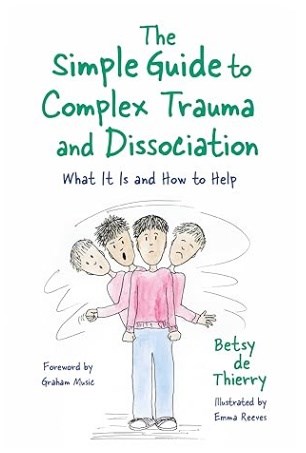
Betsy de Thierry
What is this book about?
Complex trauma and dissociation can be difficult concepts to understand, yet they affect many children who have experienced abuse, neglect or other adverse childhood experiences. This book explains these topics in a clear, accessible way, helping carers understand how trauma can affect a child's thoughts, emotions, behaviour and sense of safety.
Betsy de Thierry explores the difference between single-event trauma and complex trauma, explains what dissociation is and why it happens, and describes how these experiences can influence a child's development, learning and relationships. The book also provides practical advice on how adults can support recovery through safe, nurturing and trauma-informed care.
What will you learn?
- The difference between trauma, complex trauma and dissociation.
• Why some children appear to "switch off", seem emotionally detached or struggle to remember events.
• How trauma affects brain development, behaviour and emotional regulation.
• Practical ways to help children feel safe, connected and understood.
• How to respond in ways that reduce fear and promote healing.
• How trauma-informed relationships can support long-term recovery.
Why we recommend it
Many carers understand trauma but are less familiar with dissociation and the impact it can have on a child's everyday life. This book explains these complex subjects without using complicated language, making it an excellent resource for foster carers, adopters and professionals alike. It helps readers recognise behaviours that may otherwise be misunderstood and provides practical, compassionate strategies to support children in feeling safe, connected and able to heal. We particularly recommend this book for carers supporting children who have experienced significant early adversity or who seem emotionally withdrawn, disconnected or overwhelmed by everyday situations.
7 Vital Parenting Skills for Teaching Kids with ADHD
Frank Dixon
What is this book about?
Parenting a child with ADHD can bring unique challenges, from managing impulsive behaviour and maintaining routines to supporting emotional regulation and confidence. This practical guide provides straightforward, positive parenting strategies to help adults better understand ADHD and respond in ways that encourage success rather than conflict.
The book focuses on building strong relationships, using clear communication, setting realistic expectations and creating consistent routines that help children develop important life skills. It is written in an easy-to-read format with practical tips that carers can put into practice straight away.
What will you learn?
- How ADHD affects a child's behaviour, attention and emotional regulation.
• Practical strategies for improving communication and reducing conflict.
• Ways to create routines and boundaries that support children with ADHD.
• How to encourage positive behaviour using consistency and positive reinforcement.
• Techniques to build confidence, independence and resilience.
• How to respond calmly to challenging situations while maintaining a strong relationship with your child.
Why we recommend it
Many children in care have ADHD or display behaviours that are similar to ADHD, making this a valuable resource for foster carers. The book offers simple, practical strategies that can be used every day to reduce stress, strengthen relationships and help children succeed at home and in school. Its focus on positive discipline, realistic expectations and understanding the reasons behind behaviour makes it a useful addition to any foster carer's library.
Independent Thinking on Restorative Practice: Building Relationships, Improving Behaviour and Creating Stronger Communities
Mark Finnis
What is this book about?
This practical guide introduces restorative practice as a positive, relationship-based approach to improving behaviour, strengthening school communities and creating a culture of belonging. Rather than relying on punishment or sanctions, Mark Finnis demonstrates how restorative approaches help adults build trust, repair relationships and develop personal responsibility.
Drawing on his extensive experience working with schools, local authorities and social care services, the book provides practical tools and strategies for embedding restorative practice into everyday interactions. It shows how strong relationships and positive communication can transform behaviour, improve wellbeing and create environments where children and young people can thrive.
What will you learn?
- The principles of restorative practice and why relationships are at the heart of positive behaviour.
• How to use restorative conversations to resolve conflict and repair relationships.
• Practical strategies for creating a culture of belonging and mutual respect.
• How restorative circles and meetings can strengthen communication and collaboration.
• Ways to respond to challenging behaviour without relying on punitive approaches.
• How restorative practice can improve engagement, emotional wellbeing and learning.
Why we recommend it
Children who have experienced trauma often respond best to approaches that prioritise relationships, safety and connection. Restorative practice encourages adults to understand what has happened to a child, rather than simply reacting to their behaviour. This book offers practical techniques that foster empathy, accountability and positive relationships, making it a valuable resource for foster carers, educators and professionals working with care-experienced children. We particularly recommend it for carers who want to develop constructive ways of managing conflict while helping children feel heard, respected and valued.
You Think I'm Evil: Practical Strategies for Working with Rebellious and Aggressive Adolescents

David Taransaud
What is this book about?
This book helps adults understand the emotional world of adolescents whose behaviour is often seen as aggressive, confrontational or rebellious. Rather than viewing these young people as "difficult" or "bad", David Taransaud explores what may lie beneath their behaviour, including trauma, fear, shame, loss and unmet emotional needs.
Using real-life examples and practical therapeutic approaches, the book encourages carers and professionals to move beyond behaviour management and instead build meaningful relationships that help young people feel understood and supported. It also introduces creative ways of communicating with adolescents who may struggle to express their thoughts and feelings through conversation alone.
What will you learn?
- Why some adolescents display aggressive or challenging behaviour.
• How trauma, attachment difficulties and emotional distress can influence behaviour.
• Practical strategies for building trust and engaging resistant young people.
• Creative techniques to help adolescents express difficult emotions safely.
• How to respond with empathy while maintaining appropriate boundaries.
• Ways to strengthen relationships and support positive change over time.
Why we recommend it
Adolescence can be one of the most challenging stages for foster carers, particularly when supporting young people who have experienced trauma and disrupted relationships. This book encourages carers to see beyond behaviour and understand the emotions driving it. Its practical, relationship-focused approach offers realistic strategies that help build trust, reduce conflict and support young people to make positive changes. We particularly recommend this book for carers supporting teenagers who may appear angry, withdrawn or resistant to help, as it provides valuable insight into how connection and understanding can make a lasting difference.
Oppositional Defiant Disorder: Learn to Recognise the Signs of ODD and ADHD - Follow Our Practical Parenting Guide...
Monica Payne
What is this book about?
This practical guide helps parents and carers understand Oppositional Defiant Disorder (ODD) and its relationship with Attention Deficit Hyperactivity Disorder (ADHD). It explains why some children may become persistently argumentative, angry or resistant to authority and explores the challenges these behaviours can create at home, in school and in everyday life.
The book focuses on recognising the signs of ODD, understanding the factors that contribute to challenging behaviour and providing practical strategies to help children develop more positive ways of communicating, managing emotions and responding to boundaries. Written in an easy-to-read style, it offers straightforward advice that can be applied in everyday situations.
What will you learn?
- How to recognise the signs and characteristics of Oppositional Defiant Disorder (ODD).
• The similarities and differences between ODD and ADHD.
• Why children may display persistent oppositional or defiant behaviour.
• Practical strategies for responding calmly and consistently to challenging situations.
• How to establish routines, boundaries and positive behaviour support.
• Ways to strengthen communication and build more positive relationships with children.
Why we recommend it
Children in care may display behaviours that appear oppositional, particularly if they have experienced trauma, instability or disrupted attachment. While these behaviours are not always the result of ODD, this book provides useful practical strategies for managing conflict, promoting positive behaviour and improving communication.
We recommend this book as a practical parenting resource, particularly when read alongside books on trauma and attachment. It encourages carers to respond with consistency, empathy and understanding, while recognising that behaviour is often a form of communication rather than simply defiance.
Teenagers and Attachment: Helping Adolescents Engage with Life and Learning
Edited by Andrea Perry
What is this book about?
Adolescence can be a particularly challenging time for young people who have experienced trauma, neglect, abuse or disrupted attachments. This book explores how these early experiences continue to affect teenagers' relationships, emotional wellbeing, behaviour and engagement with learning during their teenage years.
Bringing together the expertise of leading practitioners in attachment and trauma, including Dan Hughes, Louise Bomber and Camila Batmanghelidjh, the book explains why some adolescents struggle to trust adults, regulate their emotions or engage positively in school and their communities. It offers practical, attachment-informed approaches that help adults build meaningful relationships, increase engagement and support young people to develop hope for the future.
What will you learn?
- How early trauma and disrupted attachment continue to affect teenagers throughout adolescence.
• Why some adolescents struggle with relationships, learning and emotional regulation.
• Practical attachment-based strategies for supporting teenagers at home, in school and in the community.
• How to build trust and strengthen relationships with young people who have experienced adversity.
• Ways to improve engagement in education, reduce conflict and increase resilience.
• How professionals and carers can work together to help teenagers develop confidence, independence and hope for the future.
Why we recommend it
Teenage years can often be the point at which the effects of early trauma become more complex and challenging. This book helps carers understand that beneath difficult or risky behaviour there is often a young person who has learned not to trust adults or the world around them. Rather than focusing on managing behaviour alone, it provides practical, relationship-based strategies that help teenagers feel safe, connected and understood.
We highly recommend this book for foster carers supporting adolescents, particularly those who are struggling with school engagement, emotional wellbeing or relationships. It is an excellent resource for understanding how attachment-informed care can make a lasting difference during the teenage years.
Overcoming Barriers to Learning: How a Culture of Care in Schools Helps Troubled Pupils to Learn
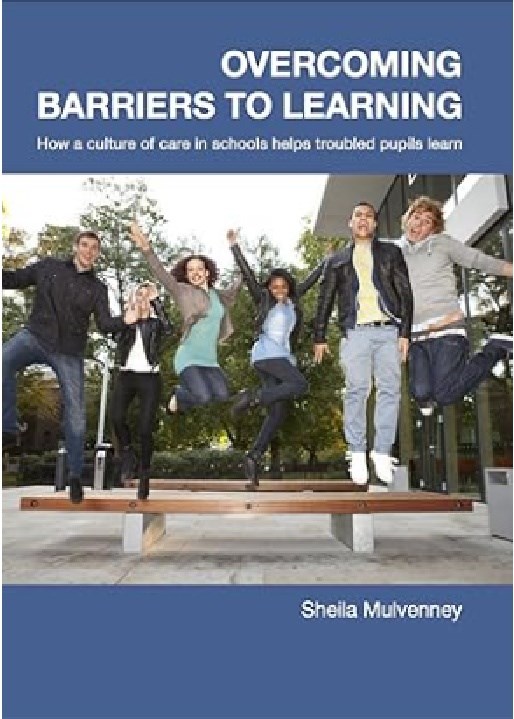
By Sheila Mulvenney
What is this book about?
This book explores how schools can create a culture of care that enables vulnerable and emotionally distressed children to engage successfully with learning. Drawing on her experience as a teacher and Virtual Head, Sheila Mulvenney explains how trauma, loss, family adversity and emotional distress can affect a child's ability to learn, behave and build positive relationships in school.
Rather than focusing solely on behaviour management, the book encourages adults to understand what lies behind a child's behaviour and to create environments where children feel safe, valued and ready to learn. It highlights the importance of relationships, emotionally available adults and consistent, nurturing practice across the whole school.
What will you learn?
- How trauma, adversity and emotional distress create barriers to learning.
- Why relationships are central to helping vulnerable children succeed in education.
- Practical ways to develop a whole-school culture of care and inclusion.
- Strategies for reducing conflict and supporting emotional regulation.
- How staff can reflect on their own responses and interactions with children.
- Ways to improve engagement, wellbeing and educational outcomes through compassionate practice.
Why we recommend it
Many children in care arrive at school carrying experiences that make learning far more difficult than it appears on the surface. This book reminds us that academic success begins with emotional safety and trusted relationships. It provides practical ideas that help adults create environments where children feel understood, supported and able to thrive.
We particularly recommend this book for foster carers because it offers valuable insight into what trauma-informed schools are trying to achieve. It helps carers understand how home and school can work together to provide consistent, nurturing support, enabling children to overcome barriers to learning and reach their full potential.
Pathways Through Education for Young People in Care: Ideas from Research and Practice
Edited by Sonia Jackson
What is this book about?
This book brings together research, professional expertise and the voices of young people to explore how children and young people in care can achieve better educational outcomes. It examines the barriers that often affect their learning, including trauma, placement instability, school moves and low expectations, while highlighting the factors that help young people succeed.
Drawing on evidence from researchers, teachers, social workers, foster carers and care-experienced young people, the book demonstrates that educational success is possible when children receive high aspirations, stable relationships and coordinated support. It also provides examples of effective practice that can be adopted by those working with children in care.
What will you learn?
- The key factors that influence the educational success of children and young people in care.
- How trauma, instability and disrupted education can affect learning and achievement.
- Why high expectations and positive relationships are essential to improving outcomes.
- Practical examples of successful interventions from research and practice.
- How schools, carers and professionals can work together to remove barriers to learning.
- The importance of listening to the voices and experiences of care-experienced young people.
Why we recommend it
This is one of the most influential books available on the education of children in care. Rather than focusing on a single intervention, it provides a broad understanding of the systems, relationships and practices that enable children to thrive academically and personally. It combines research with practical examples, making it highly relevant for anyone supporting care-experienced children.
We particularly recommend this book for foster carers because it helps explain the educational challenges children in care may face while offering practical insight into how carers, schools and professionals can work together to raise aspirations, promote stability and help every child achieve their full potential.
Life Story Books for Adopted and Fostered Children (Second Edition)
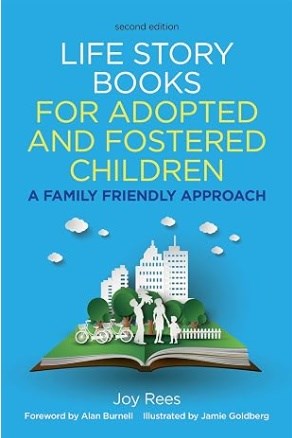
By Richard Rose
What is this book about?
Life story work is an important part of helping adopted and fostered children understand who they are, where they have come from and make sense of their experiences. In this practical guide, Richard Rose explains how to create meaningful life story books that help children develop a positive sense of identity while acknowledging difficult experiences in a safe and age-appropriate way.
The book provides step-by-step guidance on planning, writing and presenting life story books, ensuring they are more than simply a record of events. It shows how life story work can help children process loss, build resilience and strengthen their understanding of their personal journey. The second edition reflects current practice and includes updated guidance for professionals and carers involved in supporting children through life story work.
What will you learn?
- Why life story work is essential for adopted and fostered children.
- How to create meaningful, child-centred life story books.
- Ways to explain difficult experiences in an honest, sensitive and age-appropriate way.
- How life story books can support identity, attachment and emotional wellbeing.
- Practical techniques for involving children in developing their own story.
- How carers and professionals can work together to ensure life story work remains relevant throughout childhood.
Why we recommend it
Understanding their own story is one of the most important gifts we can give a child in care. A well-developed life story book helps children make sense of their past, understand why they came into care and develop a stronger sense of identity and belonging. This book provides practical guidance that makes what can feel like a daunting process much more manageable.
We highly recommend this book for foster carers because it helps them understand the purpose of life story work and the important role they play in helping children build a coherent, honest and hopeful narrative about their lives. It is an invaluable resource for supporting children to develop confidence, resilience and a positive sense of who they are.
Caring for Unaccompanied Asylum-Seeking Children and Young People (Full Series)
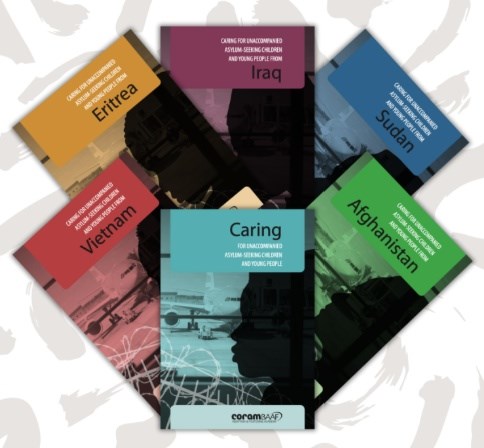
By Eileen Fursland
What is this book about?
This series of practical booklets has been developed to help foster carers and residential care workers support unaccompanied asylum-seeking children and young people (UASC). The introductory guide explains who these young people are, why they may have fled their home countries and the experiences they may have encountered before and during their journey to the UK.
The accompanying country-specific booklets (Afghanistan, Eritrea, Iraq, Sudan and Vietnam) provide valuable information about each country's culture, religion, language, family life and traditions. Together, the series helps carers understand a young person's background, appreciate the impact of trauma and displacement, and provide care that is both culturally sensitive and trauma-informed.
What will you learn?
- Who unaccompanied asylum-seeking children and young people are and why they have come to the UK.
- How conflict, persecution, separation and dangerous journeys can affect children's emotional wellbeing and development.
- An introduction to the cultures, languages, religions and family life of children from common countries of origin.
- Practical ways to help young people settle into foster care and feel safe, welcomed and understood.
- How to provide culturally sensitive, trauma-informed care while supporting identity and belonging.
- Ways to work alongside professionals to meet the complex needs of unaccompanied young people.
Why we recommend it
Supporting an unaccompanied asylum-seeking child requires an understanding of both trauma and culture. This series provides foster carers with practical knowledge that helps them appreciate a young person's experiences before arriving in the UK, while also offering guidance on how to create a safe, welcoming and nurturing home.
We particularly recommend this series for carers who are supporting, or may in the future support, unaccompanied asylum-seeking children. It provides an excellent introduction to culturally responsive, trauma-informed care and helps carers understand how small acts of curiosity, respect and compassion can make a significant difference to a young person's sense of safety, belonging and recovery.